Shields Lab / Image credits
Image credits
Where the photographs on this site come from, and the licenses that let us use them.
Insect and field photographs
These photographs were taken by naturalists who share their work on iNaturalist under open licenses, and each comes from a research-grade observation, where other observers confirmed the species. Each is used with credit under its license. The pictures are resized for the web; the home-page photograph was also upscaled to a higher resolution, and nothing else was changed.
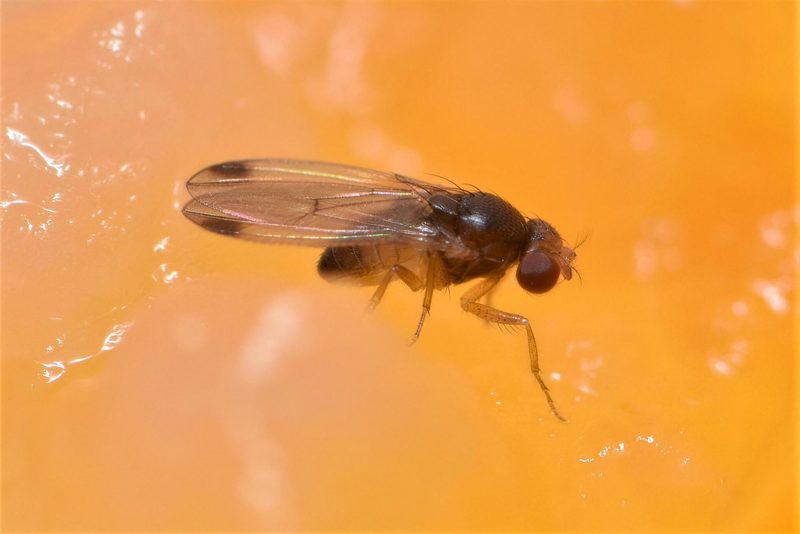 Drosophila suzukii, spotted-wing drosophila. Photo: Braden J. Judson, CC0. Source: iNaturalist, research-grade observation. Upscaled to a higher resolution with Higgsfield (Bytedance upscaler) for sharp display on high-resolution screens.
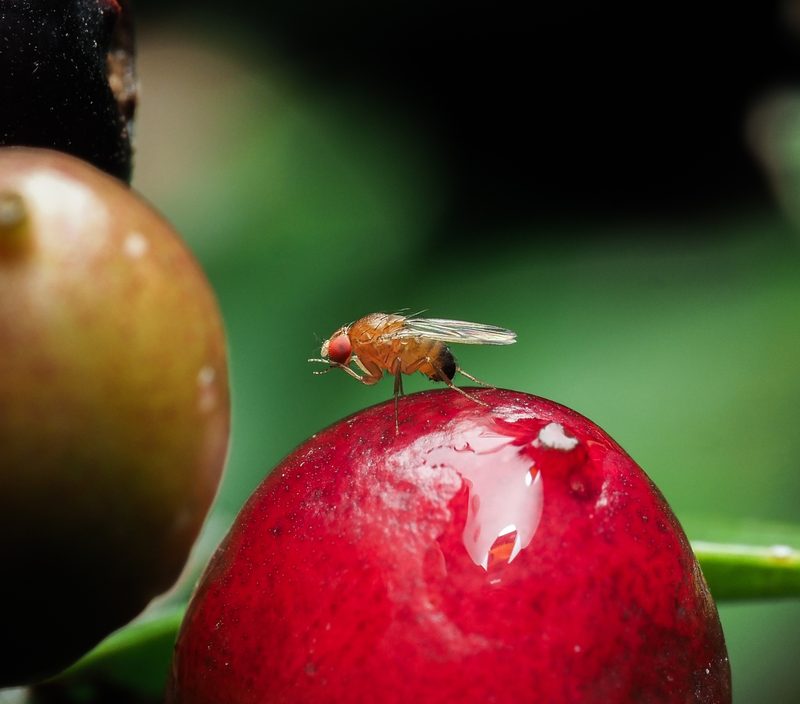 Drosophila suzukii, spotted-wing drosophila. Photo: Timotej Velkov, CC0. Source: iNaturalist, research-grade observation.
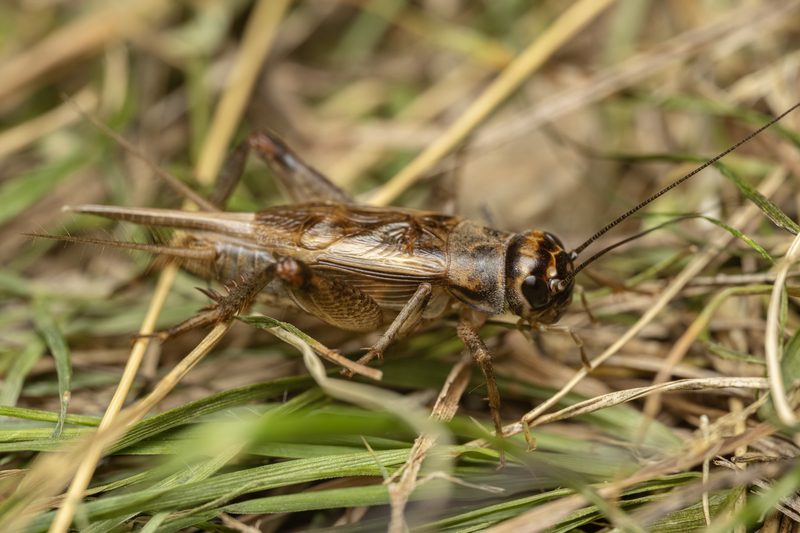 Acheta domesticus, house cricket. Photo: Manuel Raab, CC BY-NC 4.0. Source: iNaturalist, research-grade observation.
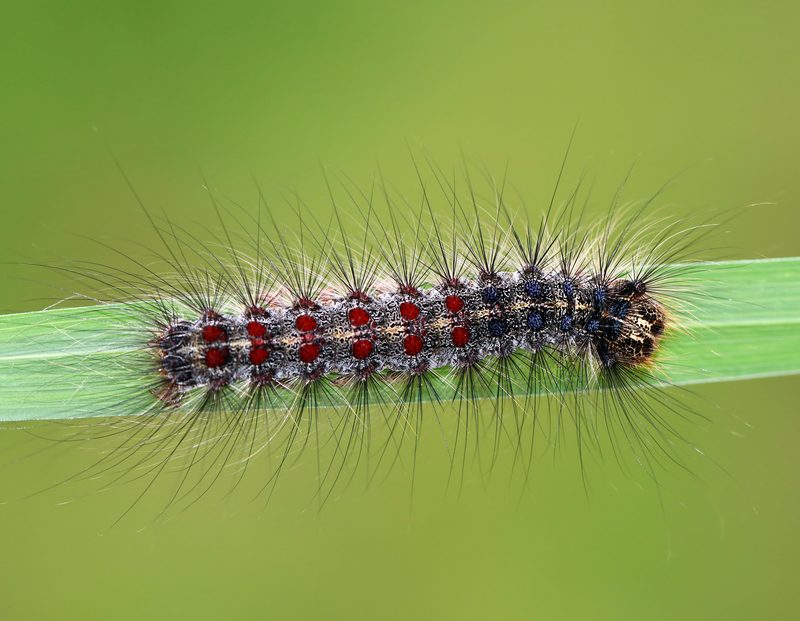 Lymantria dispar, spongy moth caterpillar. Photo: Christine Young, CC BY 4.0. Source: iNaturalist, research-grade observation.
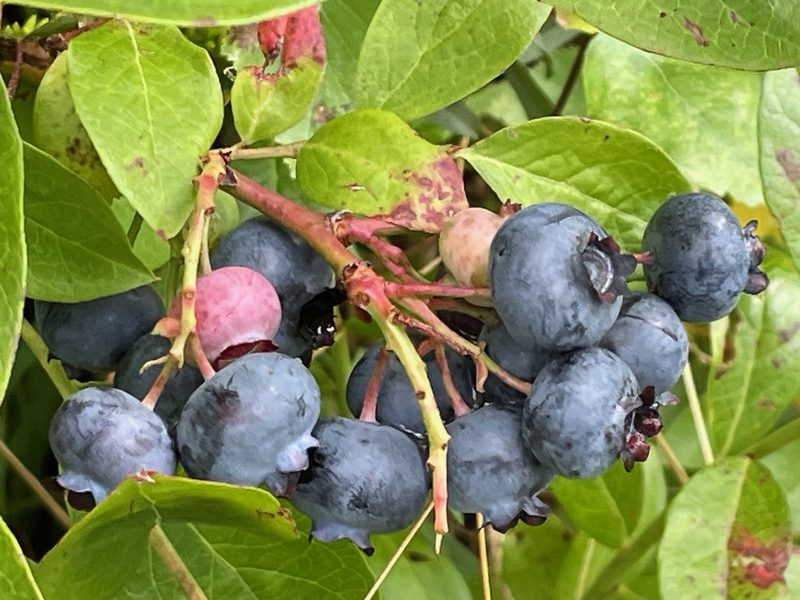
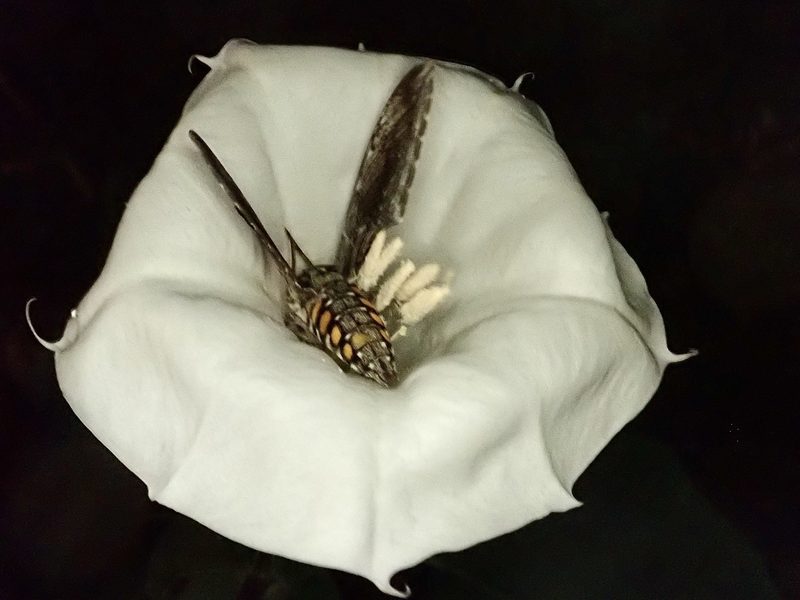 Manduca sexta, tobacco hornworm moth. Photo: Clifton Ladd, C.W.B., CC BY 4.0. Source: iNaturalist, research-grade observation.
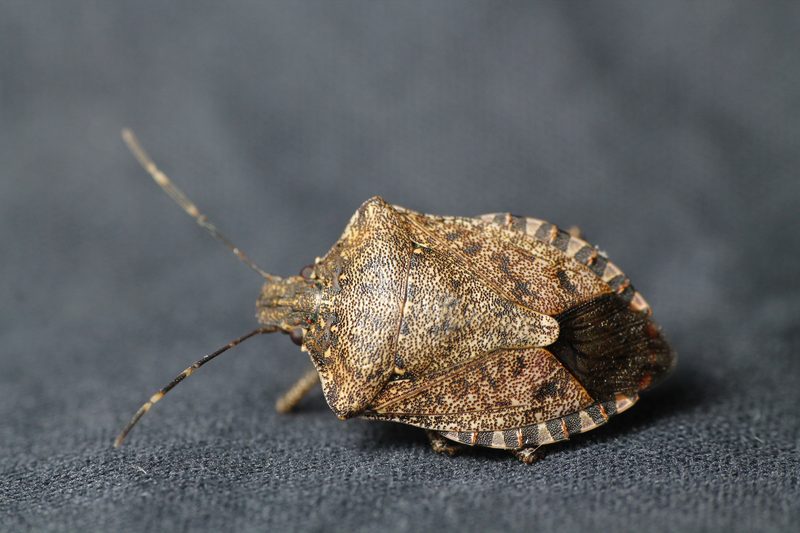 Halyomorpha halys, brown marmorated stink bug. Photo: Robert Briggs, CC BY-SA 4.0. Source: iNaturalist, research-grade observation.
Lab photographs and portraits
The NCUR 2026 photographs were taken at the conference and shared by Dr. Shields. Dr. Shields’s portrait is her Towson University faculty headshot. Collaborators’ portraits come from their university faculty pages (Rutgers University and the University of Arizona), and students’ portraits are their own profile photos.
The drawings, the scroll-story figures and the simulations were made for this site. They are teaching illustrations, not lab data.
Typefaces
Archivo (Omnibus-Type) and Source Serif 4 (Adobe), both under the SIL Open Font License.